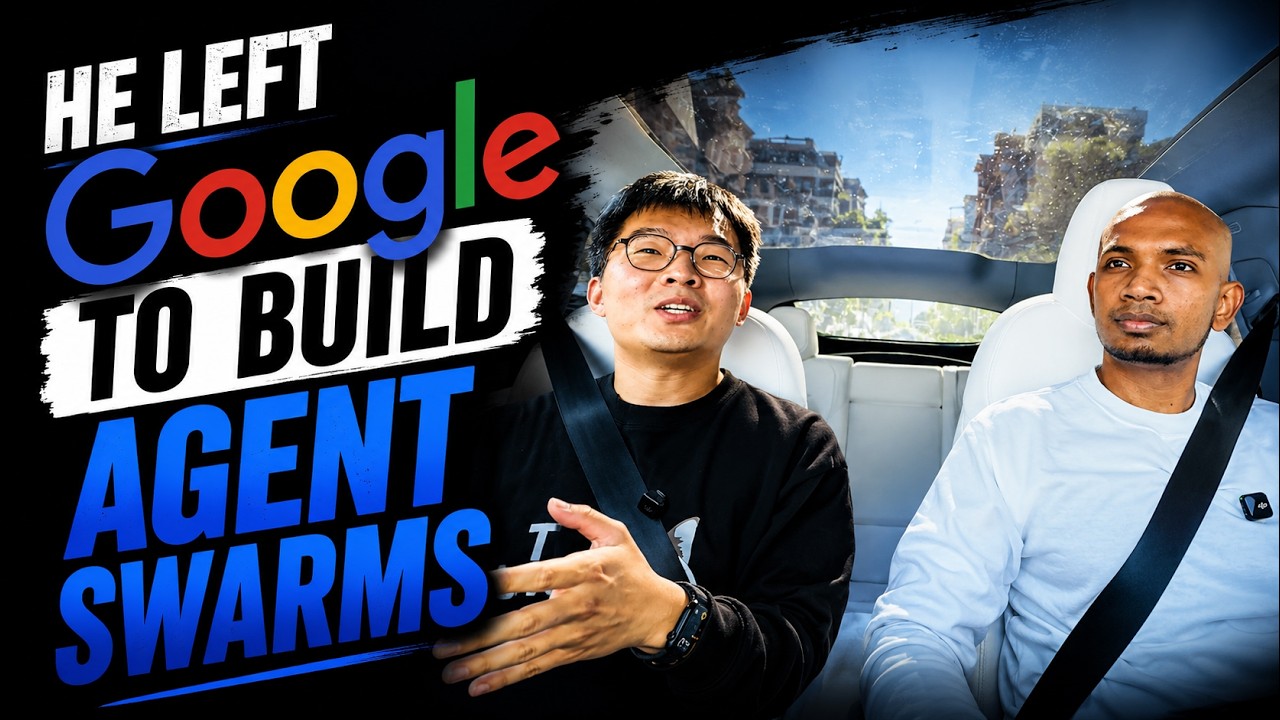
About this episode
Sequoia said yes in 2021. A million users later, a mentorship session on ADPList still costs nothing. Nearly 39,000 mentors, 600 million minutes of advice, 140 countries: a marketplace that size would normally have monetised years ago, and most investors would have pushed hard for it. Felix Lee has been asked to justify that decision for five years, and he still won't move on it.
Felix is the cofounder and CEO of ADPList, the largest free mentorship community in the world. He never finished a university degree, sold his first company while still in high school, and went through Passpod's IPO before taking a deliberate two-year gap to work out what he actually wanted to build. ADPList was backed by Sequoia India's Surge in 2021, alongside angels from Airbnb, Gojek and Zendesk, and usability pioneer Jakob Nielsen.
What they get into
- Why every mentorship session is still free, and what that choice actually costs
- What he learned selling a company before he finished school
- Why he took two years off before starting ADPList
- Whether AI replaces human mentorship or finally makes it scale
- The thinking behind ADPList's AI Interview Practice
- Why he believes not everything needs to be usable to be valuable
- What he'd tell someone starting with none of the usual advantages
For anyone who cares about mentorship, design, careers, or building something that stays free at scale.
The passenger
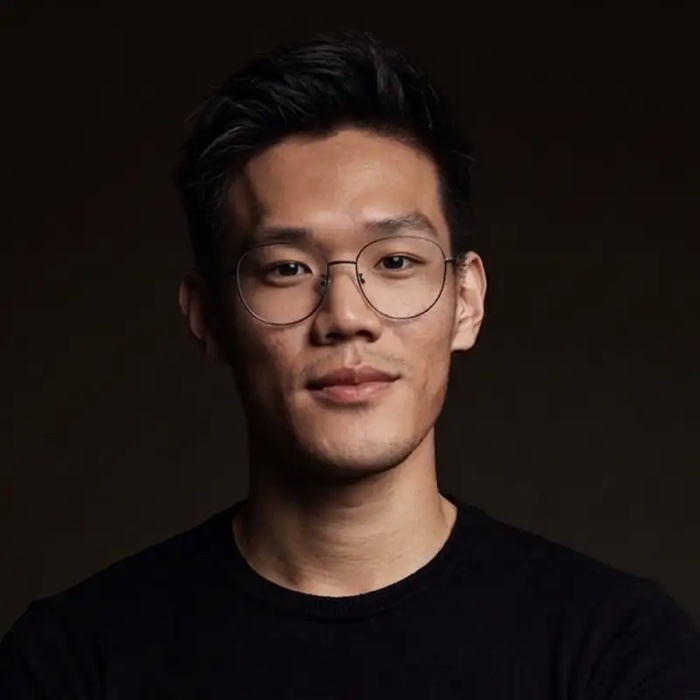
About ADPList
The world's largest free mentorship community — free 1:1 sessions with nearly 39,000 mentors across design, product, engineering, AI and marketing. Backed by Sequoia India's Surge.
The insights
39,000 mentors, 600 million minutes, 140 countries — and five years of refusing to charge. The write-up pulls out the big idea, the numbers, the counterargument and what it means for the autonomous future.
Transcript
Auto-generated from the episode audio and lightly cleaned up, so expect the odd misheard word. Each timestamp opens that moment on YouTube.
Read the full transcript 12,480 words
0:00 So welcome to the Tesla Pod, Felix Lee. Thank you so much. Appreciate it, Irosha. So the this car it's learned to drive by itself, right? By training itself on like you know millions of human drivers actually driving, right? And you essentially place the bet on, right? The best way to get unstuck, right? Is actually by speaking to someone, right, who's walked that particular pathway, right? So, human experience has training data. Is that how you would like to place it? Well, I think it's fair to say that, but there's a big difference, right? Like we take for example this car. It's trains it is trained on millions of data by many different drivers around the world. Yeah.
0:47 And it kind of takes the average and it helps you to train this data set so that it knows how to drive. I think career and life is a little bit different. where you know you don't want millions of data and you don't want to take the average of that. I think what you what you want in career and in life is to have someone just one person show you that road map there and that one person who has already driven the same road before and you go through the same road. And I think ADP list really kind of is that provider for that for that one particular road or that or those roads that people can take and we provide many of those where you can follow someone and talk to someone for that. Right. Right. So the first time that I came across ADP list was Felix.
1:29 Right. So this was like you know I told you before building my current product market tricks right. I was building more of a software dev agency right which like you know which the lead engineer of mine right Sajivan right he was the one who came up like you know who found this initially right so he's the guy that I founded the company with as well so as my first engineer and then we like you know grew to a quite a quite a good team right so now he was the one like you know he was coming into a bottleneck where okay I need mentorship right now I've started here as software engineer I have given I've grown myself to the CTO itself right but I don't get enough mentorship right so that's where kind of the blocker that he was actually having right then when he was exploring he found out ad and then he even told me about it now he's like you know constantly getting mentorship from different people meeting people from Google and like you know places like that and I think he also attended one of your webinars as well if I'm not mistaken rightiting so that's how I got to know about you and ADP list right so this is probably I don't know like you know four 3 four years back if I'm not mistaken right so what is like you know what's exactly for the people who don't know about ADP list right what is it what's a 30 seconds version of it and then what's the what do you do broadly
2:50 Yeah you know ADP list is you know our mission is to free humans to connect with each other so that we help them realize their potential and you know in one of those things that we often talk about at me please is that when you meet someone new when you hear a new story you know it inspires you to break through your own potential right because you realize something is possible out of your normal life and I think that's exactly what ads do is that we want to connect you with different people around the world different industries or even in your same industry to show you what is possible to get you exposed right so basically we are a marketplace that helps you connect with people and you can book a time and meet them on the platform right and the stats go as 600 million minutes of knowledge being shared right so what do you exactly see when you're like you actually sitting with this number you know over 600 million minutes in 140 countries it's like a almost a thousand years or more of experience of knowledge right when you got a sort of more than a thousand years of knowledge with in one platform with so many people I think you know when I look at the number you know it's really not just a number but I think it's a message that people are willing to share
4:11 Their knowledge and people are willing to sort of open up their doors for each other to for each other to ask questions and to get answers. I think that's been sort of a really critical part of our of what we have done. Yeah. Right. Right. That's amazing. Right. And like if I'm really stuck in my career right now, right? And then like you know I want to get unstuck, right? I want to look at pathways that I can actually explore on, right? How are you exactly going to help me? Yeah, you know I think ADP is the first platform in the world to even do this at scale. you know that is completely free for people, right? And what we do is that we are a platform that helps you to get connected to people in your field and your industry and you can talk to them completely for free. Right? You want to talk to someone at that works at Google because you are interested to join Google, you can go there and book a time with a designer or a product manager or engineer at Google and you can learn from them. And so I think it's you know it's really as simple as opening the doors for you to have conversations and we help people by doing that. And basically you can go up there for a interview prep with someone. You can go up there for a resume review. You can talk about some of the challenges you face at work and get a different perspective from someone else. it solve a lot of problem. But the fundamental thing that we want to do is not all of this that I
5:37 Talk about but it's really hey we're going to open doors for you to have a conversation with someone. Right. Because we believe this is a gateway for you to expand your mind and expand your potential and that is really what we do as a company. Right. Right. Right. And I mean coming to you have a pretty amazing story, right? You've moved multiple I mean countries altogether now, right? And then at the same time like you know I mean now the initial story as I read it, right? So you did badly at this exam called PSL in Singapore, right? So and this is kind of like you know from what it sounds like it's a very definitive exam in Singapore right? Yeah. So and like you know you failed this you being a 12 year old right?
6:26 So what did like you know that did to you right and then like you know how did that particular failure kind of morphed you into who you are today? Well so you know I for those who don't know me you know I grew up in a very humble background in Singapore from Singapore. you know my parents my mom used to be an early childhood teacher and my dad is a baker and today my mom joins him in a small shop you know in the small bakery right and they are very hard workers they work until 2 a.m. still running the store. Yeah they're still running today right 2 a.m. every day. So I didn't grow up in an environment where my parents were office workers. I didn't get to spend like some there are many years that I we don't even go on holidays by the way right there are families that go on holidays one a year once a year we we don't do that and probably because we probably cannot afford it right and so that's how I grew up and you know growing up I think in Singapore you are told that in order to get out of this cycle of course you have to be good at studies right and so at 12 years old you know we take this exam called PSLE and I didn't do well. and of course this if you ask any Singaporeans will tell you that if you do not do well for this exam pretty much the rest of your educational pathways in Singapore it's pretty much set for you
7:46 For the rest of your you know your education journey in Singapore. And so for me I remember that day when I got my result you know funny story is that I called my grandparents and I and I cried. I said you know I didn't get in to the school I want. I didn't get the score I want. Is it to school? Is that what they It's like It's like right before high school, right? Right before secondary school. It's a primary school. It's called primary school leaving examination. Right. Right. So, you leave primary school, you go to secondary school, you got to take that exam. Mhm. And so it's and that chooses which secondary school you are in. Yeah. Right. Right. We have a similar thing. Not just a secondary school though because you go to the secondary school and you are getting streamed in the secondary school. So based on your score, right, you get streamed, right? If you are the better score, right, and you go to this school, you're going to be called the express, right?
8:37 If you are if you are not good score like me, you go to this same school, but you're got your stream is going to be called normal academic. So people are going to say that you're normal and you're express, right? And then there's a normal technical that's been defined at the age of 12. at the age of 12. So you go to the same school but the express kids study 4 years the normal kids study 5 years. Right. Right. So and you study different things as well. Right. So do you think they could hang out? No. Right. So and then express kids they're going to go to a better school after that and then you guys are going to you know take five years and decide which school you want to go later on. So it's entirely different. M so your circle would never be you know intertwined with them right their circle would never be intertwined with you at a very young age right so there is always this socioeconomic divide right and we have to understand that so I grew up in that to me I mean the biggest takeaway from that part of life was that you know as a kid I think we should not be defined by our successes in terms of results house and grits on paper. there's so many more things that are important than that.
9:52 Yeah. So I'm 100% with you on that F because there I'm from Sri Lanka, right? So there is a similar kind of a primary to secondary school exam just like this called the scholarship, right? So and that's a pretty definitive one as so I'm fully with you on that right then I mean okay now you failed this right and soon afterwards you started this company called pack that right and this is while you I mean after you then you got into polyh poly techchnic right which is to do a diploma I believe right yes and then you started packet right and then that got acquired right like you know when you were 19 itself right Yeah. 20 years old. Yeah.
10:33 20 years. So that's such a like you know an amazing journey soon after like you know being kind of defined as failure right on through like you know this through this PSLE right what was this like you know pack that journey like what was the product about in the first place right and then what was like you know the journey like you know pact is basically a trip planning platform right trip itinerary planning platform and I would not recommend anyone to do travel stuff you know I think it's just a very saturated market. I mean also people do not travel that much right so you don't get a lot of opportunity to kind of like iterate your product and everything else. for me it's just not a worthwhile pursuit. but you know we started that because our friends were traveling we don't get to travel so we thinking how can we help solve their problem right by helping them plan their trips right so initially it was more of like Airbnb experiences where you we you have a host that host you in the city but then we realized that oh actually you know this host in Singapore they need to have license or whatever and people actually like to travel themselves it's just that planning is hard so we decided to help with the planning side. We made a product for that. so that was me and my brother and then we exited you know at age
11:52 I'm I was 20 years or so and he was 21. We exited the company right? you know it was it was incredible because you know like just like what happened right now you know it's kind of rocky journey right like were you like super psyched okay now your company got sold at the age of I think I was psyched you know until sort of like the school started to like there were some people that was like oh did you actually sell the company successfully or you know did you sell it for a high price you know when you sell people start to question ask questions, right? Like they try to discredit you, right? Right. Right. In some way that's possible.
12:31 Yeah. Like Yeah. In any ways, right? People try to discredit you. and so, you know, frankly, I think I just move on from that. But I think it was it was the first sort of like startup thing I had in my life and it taught me a lot of lessons. Yeah. Right. Right. And then you moved from Singapore to the company that got that acquired all was called it's called Passport, right? Yeah. Passport. Yeah. And you moved to Indonesia to become their head of product and design, right? Yes. And so I mean and like you know and it IPOed on the Ind Indonesian stock exchange as well. Yeah, we did. So what was like you know that journey like fast forward from like you know post acquisition.
13:13 So post acquisition I worked in passport for 9 months before I entered the military. So I spent two years in the military after passport. Right. Singaporean military sing Singapore military that was the two years that I was taking a break and the thing was that you know being in Indonesia I think it's extremely different environment from anywhere else like the US or from Singapore where you know you have legal and legislation stuff that is sort of like keeping everyone in check right in Indonesia it's a street fight you know it's either you win or I lose or I win or you lose kind situation and don't expect the legalities to get involved because it's a it's not as clean, right? It's pretty much corrupted, right?
14:00 And so, you know, when this passport is an Indonesian company, it's an Indonesian company, right? Right. So what I learned when I was in passport was not to be naive. You know I remember going to meetings and people would say one thing and they would do a different thing or it seems like you know the law and legal side would not apply because everyone is like you know from the wealthy family. and so you know you have to recognize this when I recognize at a very young age that if you are in a street fight you have to treat it like a street fight. It is not a boxing ring. there's no going to be no referee to stop, right? And if it's a street fight, you got to be in a street fight mode. And I think at 20 years old, I was kind of grown up.
14:44 At 20 years old, I became like 30 years old immediately within 9 months because I sort of understood, right, that business is not naive. Right. Right. Business is not naive. You want to be successful. At the same time, this world is not ideal. You have to play your about being cutthroat. Yeah. It's cutthroat. Right. You have to you have to play your cuts right. Right. like you this is not it is not America it is not like Singapore and so different environment requires a different level of you know like fighting technique the way I would say it yeah that's kind of what it taught me right and then comes the most unusual piece right so you took completed two years off right two years career break right I was in the army soon after you oh so that was the time that you joined in the army yeah Right. Okay, right.
15:36 So what did that two-year gap like you know where you like you know join the military what did what did that teach you because I mean that's that's a decision I would say that none of the other founders would really think about right because if you really think about it okay now you sold your company and then you worked like you know the on the at the company that know that got acquired that acquired you as well right and then I mean immed most immediate thing that someone would do is like you know based on that hype you would start another company, right? But you decided not to do that, right? And then join the military, right? Well, I mean, I had first of all, I had no choice, you know, I'll be honest, because Singapore requires you to go to the military for 2 years, right? Okay. So that's a mandatory thing. It's mandatory for everyone.
16:20 For every guys, right? and so I had to go to army, but you know, when I was in the military, I didn't let that stop me. You know, I was reading books. I at some weekends, I was building my own projects. you know, I made the best out of the time there. That's what I would say. Yeah. Right. Right. Right. I see. And now one of the things right. So then now now after that right after that time duration then of course you became the founding design lead at trade right which is go trade got go trade right which is a like you know YC backed startup right which ended up like you know raising about 22 million right? So and they are they were helping companies in Asia to raise money right so and you were the founding design lead there right so what is like you know what did that journey teach you well you know I so first of all go trade is like Robin Hood right it's like Robin Hood but for Asia basically people can use to trade stocks and invest their money on the on the app now I at a at you know at go trade you know what it taught me was the importance of working with really good people right the standards of what high performing people looks like is extremely high at go trade in
17:43 At least the first five of us six of us I think you could really just feel it in the office that this were a very talented bunch of people and so you know it was one of those moments where you feel like oh this is a world war world you know all class team that can frankly anything and I think that's a really important thing and second of all you know I was working with a CEO that his name was Rohit he was very he's a growth guy very focused on numbers and data so as a designer you know you expect a lot of time to spend on Figma or these tools but I realized I was spending a lot of times on numbers right and it actually helped me as a designer because it helped me realize how my design was transl translating to you know business metrics and business impact. and that was one of the biggest thing I learned which was like if you want to be a great designer you know you have to learn about business right you have to learn about numbers you cannot just be naive and stuck with learning about just Figma or clot and stuff like that you know like because if you need to have the business sense you need to know how your product is going to translate to retention to growth and everything else. and that's kind of a big lesson that I took away from you know from go trade.
19:02 But why did you decide to be a designer in the first place right when like you know I mean you've been a CEO before right and then you decided to join I mean work as a designer what was that decision all about? Yeah, you know, I coming out from military, I always knew in my hearts of hearts that I was going to start a company. There was zero doubt that I was going to be the founder again. When I came out of the army, I was 24 and or maybe 23. I think 23 or 24. Yeah. And I realized that there was no way I wasn't going to start a company. But I was also very aware of how much things I did not know about running a company, how much I did not know about building a company or what kind of people I need. And so I realized the best way to learn this is to be in the system itself first so that you can see how it works, right? and that was when the that you know the story is that the founder of gold trade Rohit he reached out and he said hey I saw your design I like your thinking behind things do you want to come out for a coffee chat I said sounds good came out I heard his vision I understood it he said he just went through YC and I said
20:26 Okay let me you know he said do you want to join us I said okay that's fair let's do a freelance project first we did freelance and after the freelance project. I actually told him, I said, "You know what? I want to move to San Francisco." Right? This was way before I even moved here, right? I only moved here 6 months ago. And so, I said, "I want to move to San Francisco, so I'm going to start finding a job there." I interviewed for Facebook. back then it was called Facebook. I interviewed for Apple, Google, and then I got into the Facebook final round, right? And they say, "Okay, we're going to fly you to San Francisco to get the final interview." I said, "Okay, perfect. I'm going to fly to Menllo Park and if so I'm going to be a designer at Facebook and I'm very excited. I was so confident right that you nailed the interview.
21:11 Yeah, you nailed the interview because I love being in person, right? Because it's very different from Zoom call. So I said okay. So I handed them my passport. I scan everything and then next moment I you know I received a phone call and he says we're sorry we cannot fly you here anymore. And I was like why? They said co shut everything down. Sure. Yeah. And I said and they said, "But don't worry, we're going to set you up with the remote team and you're going to do a remote interview on Zoom." And I was like, and they said, "But this team will not be the team that you want. It's a different team that works on like business side of Facebook and they are based in Singapore." And first of all, if you know Singaporeans, you know me.
21:55 You know, my the way I speak is very different from other Singaporeans, right? I am very direct. I'm very excited. I am I come across to them as not humble, right? But to be fair, right? Like this is their culture. This is our culture in Singapore. but for me, it's like, you know, you want something, you got to go get it. You got to be hungry, right? And so I knew like, okay, first of all, my That's not the usual Singapore. It's not Yeah, it's not usual, right? Singaporeans are like very conservative, right? You got to go, you keep it quiet, right? You everything. But for me, it's like, you know, you want it, you got to go get it, right? You have to be a real dog in it. And so that's one thing I realized that culture was going to be a problem. And secondly I do not like virtual interviews. I think it doesn't get you know you just cannot feel that person right you need to feel me in person to know that Felix is like this right and so I was like okay fine I'll take the interview.
22:47 I was still pretty excited and you know after the interview I did not get it and then Rohit at go trade reached out and he said hey what are you thinking and I said he said do you want to join us full-time and that was when I said yeah okay you know I'm going to join them and that was my journey to start with gold trade right after military but I always knew like you know I needed to be in the system first before starting a company. Yeah. Mhm. Right. Right. And you do not have a university degree. I do not. Yeah. And you have a poly technique diploma, right? You're on the for 30 under 30 list, right? So this the fact that you don't have a degree, right? has like you know has that actually cost you anything?
23:33 Well, you know people these days don't ask if you have a diploma or a degree. I think they ask what you have built and what you have done. Yeah. you know, ADP has built the first and number one world's network for mentorship today for people in tech and outside of tech. you know, we have we have broke the records of how many conversations can be shared on the platform organically like this office hours. It's basically like democratizing office hours, right? and we have shown something that no one no platforms like us has ever done before which is you know you can connect with someone completely for free right everyone is so shocked by that but we have managed to break this and so we realized that you know for me I think by sharing what we have done and what we have built is more important than sort of the paper qualifications that we hold so yeah I mean it hasn't affected me. I think maybe in Singapore it will or it might have before because people don't know me before this and they would ask where do you come from and what's your background? and I can't answer that question but I think these days you know I can answer that a lot better.
24:47 Yeah. I mean and especially in the Bay Area like you know that's not something that anyone would ask right. So yeah, I but I think there's always, you know, what I realized in the Bay Area that's interesting is that you might not ask, but you know, you can wear a t-shirt that says that you're from Stanford or Harvard. it changes the conversation, right? Or you're from YC, it changes the conversation. So I realize there is still a bias towards these schools and this logo and branding in this in San Francisco and of course in every part of the world. but look I mean greatness and true legacy and building a real empire is not built on the backs of these papers. Yeah. You know I mean we have been there all too much or you know all too well.
25:37 If it was this built on papers like that I think we would be seeing a lot of success stories from that. you know, Napoleon did not go to Harvard or or Genghishan or you know, Julius Caesar, right? And I think greatness is really built from people with courage. Yeah. I think courage is a scarcity. Yeah. And especially like you know with this age of AI, right? It's called the greatest equalizer of all time as well, right? So I think that adds a lot to it. Aar, I'm with you on the fact that still this bias is there, right? Especially like you know one of the saying that go goes around here is like you know if you are a pale male from Yale it's easier for you to get funding right so I think that's I mean I think that bias is still there right but things are progressing definitely yeah for sure yeah so now coming to the product and the business right so every session right now this is the most interesting and then the most controversial part right so all the sessions on ADPDs it's free right it's not a premium model it's not a free trial and it is free forever right and this you have done this deliberately right and then you've been very consistent on this right what is this decision why this
27:00 Look you know like free to us is not a price free to us is a promise and it's a product and you know when we first started ADP list and when we first raised our round. I think a lot of people were bashing on us. I think especially our haters you know they were saying oh because AD please makes money so they are going to because they raise money and so they have to make money to pay back the investors. Now they don't first of all they do not understand venture capital right second of all I think I think they truly underestimate you know who is driving ADP list right I am not someone who gives in you know I am not that is just not in the blood right and or you know or give up right I think to me we made our mission statement very clear right when we first started out the mission statement is to democratize mentorship access for the world and we continue to want to provide like that. And so to me I think you know the free part is truly special because one it is some is a promise of a mission and second you know it is a disruptor in itself of a category right if you look at all our competitors who are the competitors there's a lot like you know you could
28:17 Count with you know five fingers of who the big competitors are right but you know the competitors are all paid right? Or paid and so they can't be telling their users and say, "Hey, we're going to we're going to ask you to stop charging because we need to compete with ADPs." So, you know, as the great Jeff Bezos once said, you know, your margin is my opportunity. Yeah. And in this case, their margin is my opportunity. Right. and so to me, I'm not afraid to make the losses. but as long as we play the long-term game of what we're what we're trying to build here, which is, you know, a network that can share knowledge, there's many ways to monetize later on. we don't have to monetize off the backs of this you know, paid sessions. it doesn't make a lot of money anyway. So I think that's kind of where we're coming from. Yeah.
29:03 Right. Right. I mean it's such a wonderful mission, right? So democratizing mentorship, right? So but the obvious question here is right. I think this is this is the main thing that goes into mind of like you know any anyone who is in business right so you have a million users right you have 38,000 mentors right 600 million minutes have been ser reserved as well right and there's no session fees right how does this become a business you know we make revenue through a lot of places right the causes we sell we upsell brand partnerships you know events and stuff like that there's just a lot of things that we do to sell, right? I mean, we're probably going to launch a few more products coming up. So, stay tuned. that will that will require some form of payments. but the fundamental of the platform should be free, right? Is we're not going to try to charge you for networking with one another. We're not going to try to charge you for a simple conversation with someone, right? And I think that's our promise, right? The reason why people even ask about hey you know why how are you doing this for free is because in their mind they're not thinking from first principles. They are not challenging the fundamental of this industry. To them the industry is paid. They are stuck with the idea that it is supposed to be paid. H but you if you want to change and
30:23 Revolutionize an industry you got to go dig deep and ask yourself right is this even supposed to be paid in the first place or can they pay for something else right what are the trade-offs I think people do not understand the trade-offs well enough so they assume coming into the conversation that it has to be paid a and so you know they make tons of assumption right I see a lot of that online right and my response to that is that think think harder right don't make yourself look dumb, right? Think harder on why Felix makes certain decisions, right? And if you do not understand that, then I think you do don't understand how the world works, right? If because if it's not going to work, we would not have been here, right? And that is the truth, right? and there is many ways that we are surviving and there's many ways that we are thriving as well. and you just have to look deep, right? I do not review my plans publicly. I have never reviewed our plans publicly.
31:22 But the fact that we're here, we are here, right? And you just have to look at it. Yeah. Right. Right. So publicly you've raised around 1.3 million. Yeah. And this has been back in 2021 itself, right? 21. Yeah. So it's been like you know 5 years now at this time, right? So I mean the scale that you're in right now, right? A typical founder would have raised a series A probably three times over, right? So, but why have you not? Well, first of all, I am still trying to improve on my fundraising skills, I think. but frankly, I've not tried yet. is it because you don't need to?
32:03 Yeah, I think one reason is we don't need to. And second of all, you know, I feel like this game of fundraising is something that I don't want to play if I don't need to, right? And if I don't have to, I think look, at some point we're going to do it. All right. I'm not discounting that out of the option. But doing for the sake of doing it is not in my, you know, is not in my DNA, right? We have to strategically do it. We have to strategically know what we're going to spend on. We have to know who we're hiring and who we're deploy where we're deploying this capital to and what is the bigger mission from here. Right? at this phase we're at this point of time right now we're building the next version of ADP list right we launch a lot of things and we're we are still experimenting with a ton of directions as well but and because the world is changing extremely fast so the truth is that I want to raise money on conviction not on hypothesis right there is way too many founders who raise money on hypothesis they burn the money on hypothesis now I have money we are, you know, we make our own money and we want to spend money on proving out hypothesis, not taking investors money to prove our hypothesis, right? And once we prove our hypothesis, when we go out there and raise, we are
33:24 Raising on conviction and I think that is what long-term looks like, right? Long-term thinking looks like, which is you raise on conviction, not on hypothesis. Right. Right. And Jakob Nielsen, yeah, he's an investor in your company, right? So for designers that is actually like having Newton on your cap table, right? So I think Newton. Yeah. So how did that happen? Right. I mean first of all why don't you maybe tell to the rest of the audience like who Jakob Nielsen is, right? And therefore non-designers, right? For sure. And how did this happen and what exactly has he taught you? Yeah. You know, Jacob Nielsen is a good friend. He's a great mentor and you know, great investor as well and adviser. he you know basically for the people who don't know him he's the godfather of UX right and he started this company called Nuen Norman Group where you know they teach about UX and design and in software and he basically came up also with the Jacob law in the UX and many other things right and so he really taught me sort of the importance of thinking about business with design, right? and also the importance of, you know, sort of running
34:44 A business as a designer, right? Because he's a designer, he's a researcher, right? he has a PhD, right? So that's why he's called Dr. Jacob Newsen. and he understands how sort of design works, how human works, but most importantly, he also understand how business works, right? Because he once ran a very big consulting group, right? And so to me those are the important things that he taught me which is you know trying to understand how business works in the most fundamental level and not just be blinded by things looking good or things working well as a designer you know he has he has always sort of talked about this whenever we have dinners and meet up you know and so I for that you know I'm always very grateful you know with for him to for his reminder. Yeah.
35:33 Right. Right. So and afterwards surge then SEOA India they backed you in 2021 right so when this was like you know complete like you know free membership mentorship platform right what was like you know what was that like what did they see in you oh it's a great question sometimes I do ask them what they see in me you know I think first of all you know the person who invested in us he's no longer at SEO India pick 15 now. his name is called Peter. Peter camps and I met him. Yeah. Yeah. Peter very amazing guy.
36:12 Yeah. So you know Peter always says that I'm a force of nature. I think what they saw was a young boy who believes that our life should not be defined by where we were born. That our life success and our career success should not be defined by who we know. and that is that is the world that I try to create you know that is exactly what ADP please try to create which is that we want to give hope to people by creating conversations when you have conversation with people you have more hope you feel more hopeful about what you can do right and so you know when we first raised from them I mean Peter came to me through an introduction of an angel investor called Surray and came to me you know back then we had like less than 100 mentors today we have 40,000 right like and we have less than 100 in 5 years we have grown more than I don't know 10,000x or whatever or like yeah a 1000x and he you know he basically talked to me I mean from a fundamental level right he said what is this about and everything I mean all the investor stuff but I think most importantly he saw the potential in the platform right that it could be something that
37:31 People truly need he also saw the potential in me as a founder which I'm eternally grateful for because I I went through to so many investors you know got more than 50 nos you know when I was like first starting out ADP list and those were all in Singapore because I do not have a single sort of credibility right I do not have anything to sort of prove to investors at that age and Peter was kind of this guy who believe that in the dream of a very young founder and I think meaningfully he changed my life. I'll be honest with you right meaningfully he and that set of investors changed my life for you know forever you know I came from a humble beginning as I told you earlier and when someone hands you a check of a million dollars you know it's more than any amount of money that you have ever seen right I remember there was one time where my dad was paying for some groceries in a supermarket And I saw the bank. He had like $800.
38:42 Right. Right. And so, you know, to me, money is a is a tool. It's a resource. But again, like not everyone comes by them. but when someone like Peter believes in you know, like your life changes forever. And you know, for me is you don't let those people down. And that's kind of like I think that's what they see, right? Like this guy is willing to work hard, willing to put in the work. There's some potential in the in the idea and what we build. Yeah. Right. That's pretty amazing. Felix, so the hardest part, right, of building this two-sided marketplace, right, it is the supply side, right? So that is like you know your like all your mentors, right? So they're essentially volunteers, right? So you need to basically convince them to give up their time, right? so how do you keep like you know these 38,000 and these you're talking about like you know senior people right from Netflix, Figma, Google right all of these people you won't you won't like and 38,000 of them right you are asking them to like you know show up for free give up their time right and mentor
40:02 Random strangers right so how do you do that right how do you how are you really convincing You know, I think it's a very interesting psychology behind this, right? because as a designer you tend to notice okay maybe not as a designer because I've met 99% of designers who does not understand this but as someone who is a curious explorer the way I call myself right a curious explorer is that you tend to you tend to try to understand why people do what they do right like why do people do these interviews right why do people listen to this or why do people not listen to this or why they do certain things and when I realized at a very young age when I start to go for advice from different people they would say okay yeah hey you can talk to me for 15 minutes 30 minutes let's have a coffee chat they would never ask you for money they would never ask you for money so the question is then why is it that some platforms are asking you to pay money for them when you can access a million of people around the world and you don't have to pay them money for it you know again is first principles thinking right like you want to break a model You have to understand how people work in especially in this industry right so for me
41:22 There's a lot of talks about consumer AI and whatever we can talk about that but again is that whoever who builds this thing you have to understand how human works right a simple observation would give you a lot of clue right like what I just said you ask people for coffee chat they would never ever ask you to pay them $100 for one hour right and so that is the premise of ADP list which is that we tell people, hey, you can contribute 30 minutes a week, you know, to the next generation. Would you do it? Right. We help to take care of everything on the platform. Would you do it? Is it a way of you helping them to give back? Yeah, it's a way to help them give back. Right. Right. And they're like, "Yeah, sure. Why not?" Right. It's not why should I, it's why not, right? Because we made it so easy to set up and everything.
42:08 And of course, I think that is really the sort of thinking behind it, right? is that humans work in a certain way and you just have to build technology around that right we talk a lot about consumer AI and this is something that interests me in recent days because there's a lot of talk about it on X I think what people don't understand is that you cannot try to use a technology to bend behaviors but you can try to use human behavior to bend with technology right the framework you always used to is that okay humans are doing this right you should not try to use technology to change this behavior to make it more efficient. No one cares about being more efficient, right? But can this technology actually enable them to do what they are already doing but in a in a better or different way that would be quite exciting or delightful to them, right? I think that's always sort of what you know I think about. Yeah.
43:08 And this comes to I mean I haven't personally use ADP list a lot, right? So but like you know mainly I got to know from Saji one right so whom I told you about right and then and I think like you know now you're also making a major effort to bring ADP list to other Bay Area as well right in a greater degree right so what is the what is the like you know aspect that you're trying to bring I mean because like now if you think about it right so then now here like one of the things that you're trying to do is right so then you have like you know the senior people right from Google, Netflix right who has achieved quite a lot right and you made some sort of like you know bit of I mean it's not very straightforward and easy for me to get a like you know get a mentorship session from someone from Google right there is like you know bit of like say work that I need to put in as well right to answer sort of the specific question like you know that they have put up right so that I'm actually able to that I'm able to like you know basically get this mentorship session right is that the friction like you know that you have put in so that like you know they get to understand that like you know their time is worth spending on this person.
44:29 Oh yeah for sure for sure. Yeah we intentionally put that in because we want we only want serious people talking to each other right not like some random coffee chat and chats that just help you to get the job. Yeah. So those are you know important friction points. Yeah. Intentional. Yeah. Right. Right. And what is the part of ADP list that still does not work right the way that you want it to work? Well, I you know, I think when you have a technology that is sort of facilitating human connection and interaction, a lot of things can happen, right? And I think one of the things that we try to combat, you know, like for example, when it comes to e-commerce scams is a big thing, right? Fake goods is a big thing, right? Like for us, you know, what is a big thing is no shows, right? and no shows happen not just to free sessions. In fact, paid sessions as well has no shows, right? M and so to us is are we able to combat no shows continuously I think that's been also a big challenge what's the percentage like on no shows like maybe 10% right yeah sometimes it goes higher on some months like 20 and I think it's a little bit too high to be honest so but every the main reasons for that be just people just don't show up maybe something happened in their life you know that's really the main reason I think they try to find out excuses but then after all studies and research is just that they don't feel like showing up they don't show up right and maybe there's something more
45:52 Important in their lifetime. so to us is how do we make sure that doesn't happen? How do we make sure that you know if you're not available you are at least able to give a heads up properly. this has been sort of an ongoing sort of theme that we really want to tackle. Yeah. Right. Right. I see. So now coming to AI and then future of mentorship. Right. So the now one of the existential questions right so that comes up with AI as well right so I am able to speak to the AI right and then essentially like you know get career advice at 3:00 a.m. for an example, right? but and it will give me a okayish decent answer, right? and also like you know I know that you recently launched like the AI interview prep feature as well, right? So what is the durable value that actually comes up by speaking to a real human?
46:48 Well, first of all, I can show you know, it's going it's quite exciting. So basically, you know, like I can show the screen hopefully. you can come here and you can see like different jobs that you can actually interview right Google Meta Apple you can practice interview with this coach and it's pure voice right so if I click on interview you know you can just start here and let's say something right let's click this thanks for joining oh can you start again oops sorry start Okay, I'll restart cleanly and keep this simple. You co-ounded ADP list and set the vision and strategy. Walk me through one specific product decision you personally drove there that changed the user experience in a meaningful way.
47:39 What was the hardest part of that decision? Yeah, you see like so I'm going to cancel this first, but this is literally an interview coach in your pocket, right? Specific roles as well. Specific roles, right? It's incredible. we built this technology on top of GPT life which is by open AAI. you know we really believe that you know in order to help someone get to their full potential you know you need a set of tools not just humans right and so for us you know with sort of AI look I think you can get information but with AI you know you cannot find hope you cannot find someone that will believe in you right like you cannot find your Peter right. Yeah. And so to me you know having two hand in hand like co- living together it's is really important.
48:29 That's why we introduced the AI coach to the platform. That's why we still have the mentors as the main thing because you will be able to you know talk to people that you can trust, you can feel them and they can feel you and you can find someone that believe in you because sometimes you know mentorship is not about people just sharing knowledge. It's about you know having someone who believe in you and we have hear that so many times on ADP list is that they come to ADP list because they find hope and I think that's really what we're selling here and that's what we are creating here. Yeah. And one of the main things is like you know AI doesn't really have lived specificity right it and it doesn't really have a network as well right.
49:14 Exactly. So that's like one of the main things that you're bringing from the human angle, right? And you're taking away kind of the like sort of the smaller frictions, right? Sort of like you know u fine-tuning a resume and like you know things like that you are giving that to AI, right? Exactly. And you are providing the human to like you know give the lived specificity. Is that the way how you frame it? Yeah, exactly. That's how I frame it. Yeah. Right. Right. And ho how is the network side of things right? So then is there a lot of like you know network expansion like you know do people introduce like you know one another after a mentorship right so is that do you see that happening a lot? Yeah, of course that happens way more. I think thousands and thousands of people on AD platform has gotten jobs, right?
50:02 Because of ADP list and because they met someone there and so you know they got a referral or maybe they became friends and then you know things happen they hire each other they co-ound something with each other. some even you know found their wife or husband there right? that is the purpose we do not intend but you know it's very interesting that when you put two person together in the same room for a good conversation you know something wonderful and something magical and special can happen and the when people ask me what is the most proud of story at ADP list you know I often refer to this Nepalese guy I met on ADP list when we ended our session I remember that when it was like a year ago when we spoke and then we ended our session like a design session he told me oh I'm going to go this and share this with our village right and I said oh wow that's interesting he said because he get internet access and not everyone gets internet access so he's going to learn from ADP list and he's going to share it with people and that's when I knew that when you can change one person's life you never know how many lives around them that you go on and change and that it is almost like this ripple effect where you So if you can change one life, you can change a village. And if you can change a village, you change a city, you change a state, you change a nation, and
51:24 Eventually you change the world. And that's really what we fundamentally believe in at ADP is which is which is, you know, one conversation is so important that it can tremendously change your life. What an amazing mission, Felix. Right. So, and this all of these started with just one list, right? So, the ADP list, it stands for amazing design people. Yeah. Did I put it right? So you started off as a list, right? Of designers essentially speaking and that blew up right now like you know you're serving driving towards this overall vision, right?
52:05 Yeah. so what is the like you know is that like you know the direction that you I mean from starting with design right moving towards kind of everything how do you see this evolution happening? Yeah, I mean first of all today is really everything right. If you look at the platform there is product management, engineering, marketing, sales, HR, everything. you know I think we often think about this that you know we are a human transformation company. We are human, you know. We fundamentally exist because we believe that when you put two person in the same room or a group of people likeminded and they share something magical can happen and that when that magic happens, everyone gets to level up to their potential. and so we think about that all the time.
52:54 And with AI coming, of course, as you talk about it's a great equalizer, right? for knowledge workers but we also believe that it's this is the most important time in human history for human connection and this is this is where ADP list is uniquely positioned to do and so that to me is where I believe the future will be at right coming to design and philosophy right which is your main thing right so you're a designer by craft right and then now one of the pieces that you wrote about is actually arguing that not everything needs to be usable to be valuable. Yeah.
53:34 Right. So this really goes against kind of like you know everything that like you know YC teaches right build something that people want right and all these like you know philosophies like that right what is your argument on this well I think you know like I think that the point is that you know that you have to be talking to people to know how important it is you know that I everyone has heroes right everyone as idols that they look up to. and the reason why they look up to someone is because, you know, is really because that this person has done what they want to do and what they hope and wish to do and they want to follow in their footsteps. And I think to us every mentor is that hero, every mentor is that idol, right? If you are able to do it, if you're able to find that person, then you'll be able to say, "Oh, okay. this mentor can you know, can really change my life and my perspective." I think that's always been sort of a big reminder as to what can happen when you know when you meet someone new and when they share their story. Okay. And hopefully someone's hearing this story today can feel like, you know, they can
54:58 They can break through, you know, something that they were not born into and that Yeah. Like that's kind of where I'm saying. Yeah. I know I'm blabbling, but the message is that right, you know, hearing new stories, it expands your mind of what's possible. Right. Right. Right. So is there a particular design decision right yeah that u you've made inside ADPs right that people never really noticed right but that you really fought hard towards too I would say that you know we when we first introduced gamification onto ADP list it was the most consequential decision that we made Because people love that and the reason we were inspired that you know we were inspired by Dualingo and we say okay learning can be fun learning from each other can be rewarding. So we basically turn into Dolingo and we say oh wow what if we can you know introduce certifications and design great experience around making you feel like learning is rewarding. And so we started that and we realized, wow, it's a big hit, right? People love sharing it. People love talking about it. And so we eventually sort of end up rolling out to everyone and it became a sort of a big hit. even today if you go to LinkedIn or X or everywhere, people are just sharing about their
56:22 Awards that they get from ADP list and we just feel like that was one of the best design decisions that we have made because it was not only great for the users, it was also great for the company growth. Right? This is where I talk about which is it's so important for designers to think about great experience that people love but also something that the business can benefit as well. Right. Right. And then that's the main engine that really gets all these like you know 38,000 mentors to actually Exactly. show up as well. Right. Right. Right. So you've moved from Singapore to Indonesia and now to San Francisco. Yes sir. Right. And I mean what does each of these places like you know get right and then get wrong?
57:07 So I think Singapore is you know I'm not a a biased person. So, but I'll say this, I've traveled to many countries and I've lived in three, one for, you know, 9 months only, but I've lived in three and Singapore is the best country by any measures. healthcare system, government, it is unbeatable. there is no way I have seen any countries that is as good. So efficient, right? so efficient for the price. You are living a Switzerland lifestyle with the price that you would pay in Thailand.
57:52 That's what I would say, right? That the price that you pay in Bangkok. Now I think Singapore is great for a lot of things except for innovation, R&D and you know things that Silicon Valley are doing is doing. And the reason for that is not because we do not have a system to support it, right? The system is there. What we what I believe is that fundamentally it is a cultural issue right like we are not incentivized to take risk right we have all these systems we have all these policies in place to fund you the grants and everything but there is no incentivization culture to take risk right and we talk about culture it's all about incentivize like what do you incentivize for people to do something right we have all these things there but no one is taking risk right so I think that is something that I learned about Singapore which is that you know we have very smart people who are not able to take risk and not because they cannot but it's because they see no reason to right there's no culture to do it and so for me I want my life work to be redefining the Singaporean dream I want my life work to tells to be telling Singaporeans and to show Singaporeans that we can break through this generation that we can break through this generation onwards to have a new dream right to have a new dream where if you believe in something
59:12 You can go get it done on the highest of level even as simple as an ordinary kid who grew up in a bakery from Singapore coming here to America that you can do that. So that is what I learned from Singapore. Now Indonesia as I said you know is learn to not be naive. You got to be smart, street smart. there's a joke that says that you know it doesn't mean that you are you are not book smart means that you are automatically street smart. M it is not automatic. So you can be book dumb and street dumb as well. Right? So what I'll tell you is that you know Indonesia does train you to be street smart, right? You got to know how to deal with people, right? You got to know how to deal with people the hard way or the soft way. depends on situation. I think America teaches you that anything is possible. You just got to go out there and do it. You just got to have the balls to go out there and do it. Now coming from Asia I think this is not normal because in Asia you got to go through the ranks and hierarchy you got to be respectful and everything here if you are like daring enough you could go all the way to Ben Horowitz you could go all the way to Zuckerberg or any anyone you want it's a free market literally and it depends on how hard or how hungry you are willing to go now it doesn't mean that you should do it just to reach out to Zuck for the sake of it, right? Or whatever. But it means that when you need it's
1:00:38 There for you to go get it. When you want it and when you need it's there for you to go get it, right? It's all about timing. It's all about whether you want it or not. And I think that's sort of been a big lesson for me learning about America, which is anything is possible. you just have to go get it. And I think it's just been inspiring to just witness this culture of, you know, getting things done. Yeah, that's amazing. so who are your mentors? I mean you're giving everyone a mentor, right? Or multiple mentors for that matter. Yeah. Who are your mentors, right? And then like you know how do like you know how do you use your own product to find them? You know I think there's a lot of mentors in my life. There's a lot of mentors in my life. you know I consider my biggest mentor you know to be people who I've not met before who people who I whom I've read books you know on them Napoleon is one of those you know Steve Jobs I think is one of those you know the Genghish Khan certainly one of those and then the founding father of Singapore, Lie Kuwan Yu, right?
1:01:59 It's one of those people. there's many others I can think about and of course books that I read that that supports me in many ways. So I would say that most mentors I've not met in person but then they inspire me. I don't particularly interestingly I don't particularly look up to tech founders or tech entrepreneurs. I do look up to sort of revolutionary leaders, you know, in China. Fundamentally changed things. Fundamentally changed things, right? You have you know, for example, in Africa, you have Nelson Mandela. in in China, you have Tang Xiaoing who opened up China to the rest of the world, right? In Southeast Asia, of course, in Singapore, you have you know you know, Lee Konu. In the US you would have very consequential presidents like Abraham Lincoln or that freed the slave or if not you have Josh Washington, Alexander Hamilton and many other more right and so to me these are people who were in the arena who changed the game forever who were good who were very bold and courageous to build nations to build countries across sea you know to discover new land and that could not be understated, right? it's not to build the next SAS company. It's not to build the next billion dollar company or to be tweeting, you know, how much you invest
1:03:23 In entropic. but these are people with true courage to found a new nation that benefits its people. That is the most fundamental thing in life. I like to believe. Yeah. So the people that I read and I look up to are very very different from the normal tech founders. Yeah. I absolutely love that. Felix. So now something that we share is that right so your interview practice it is actually it's a simulation right so if you think about it right so your I mean someone who's looking for a job right they would come to your interview practice right and then take part in this simulation so that they can perform better at this at the real interview right so now at market tricks like you know what we are doing is we simulate like you know the synthetic users right on your product so that your like you know you are a when your product is out there it is able to perform at its best right so both of these like you know what we are betting on is actually good enough rehearsal it really changes the outcome right yeah okay that's amazing yeah yeah so what did you learn about making a simulation feel real enough right you know to actually be useful well first of all I'm trying to learn from you guys because we just launched this about a week ago, right?
1:04:43 So frankly, I don't have much learning yet. I'll be honest, but we have been iterating like three versions in three sort of improvements in one week based on feedback. I think so far the what has been the most challenging thing for us has been to make it feel like the questions are always very much proactive and tuned to your context. I think the context part is so important. thankfully at ADP please you know we have a lot of context of people's meeting throughout the whole platform so we are able to ask good questions but I think without that it would have been a little bit cold the questions will seem just very plain and simple I think it needs to be very very you know precise to so that it can be feel like human at the same time be helpful right not just helpful but not human right so that's been a tough balance and we're still figuring out yeah right and where do you think like that a simulation stops being useful, right? What is what is that one thing like know that can only be done right by doing the real thing? Actually, I think you know simulation stops being useful when you feel like you have all the answers but you just don't feel confident, right? That's when simulation stop being useful. It's like
1:06:03 Logically you have everything that you need but you just don't feel it. You just do not it's a very hard thing to say you know it's you just don't feel it you just don't feel confident and that's when you actually approach a human right that's when you approach mentors on ADP list right and I mean now we've chat almost more than one hour time fail so if there is like a 12 year old right some who's just got results back right at this exam right and tells that they are not the smart one right you were actually that kid what would you tell Wow. you know, I would I would tell them that you can show the world nothing is impossible. That you can dream of coming to America or anywhere in the world for close to 12 years of your life, 14 years of your life and finally make it here.
1:06:59 That if you dream hard enough, if you visualize hard enough and if you work extremely hard and you just keep believing in yourself even when no one does, the doors are already there open for you. You just don't know it yet and you just have to have faith that you will happen. I think many times in life we tend to let the short-term thing affect us, right? but the true sort of yacht stick of success is truly by the end of your life were you able to change the trajectory of yourself, your family but also the people around you, right? that because of you in their life they were more inspired, they were more empowered that they could they could do more because they look at your life and they say if can do it you know why can't I you know I want to be like that I want to do more than that I want to break records I want to break my potential and that to me you know is the most important thing in life that will live on even after you know you are no longer on earth right So I think that's what I would I would say you know like keep believing even when no one else does.
1:08:12 Yeah. Right. That's absolutely amazing Felix. I mean really enjoyed this chat. Right. This is something that I've been really looking forward to as well and I learned so much right during this chat. It was super inspirational as well right. so thanks a lot right and really grateful for having you here. Thank you. Thank you so much. Yeah.