About this episode
Anushka Idamekorala grew up in Sri Lanka watching his parents work government jobs: fixed salary, hard work, no ceiling. Down the road, a man sold durian from a table. The table became a cart, the cart became a vehicle, the vehicle became a fleet. That lesson stayed with him through engineering school, through leading B2B SaaS teams, and all the way to a PhD at the University of Virginia. Then his childhood friend Sam called with an idea, and he dropped out.
Anushka and Sam are building Logical (YC F25), a proactive desktop copilot. Think Clippy, but actually good. Instead of waiting for the perfect prompt, Logical watches how you work, learns your patterns and helps before you ask: it drafts emails, captures meeting insights, tracks to-dos and takes action across the apps you already use. Their bet is that prompt-first AI is fundamentally flawed, and that a truly helpful AI has to live where you work, on the desktop.
The two have known each other since they were six years old. Sam is the best-performing Sri Lankan in the history of both the International Physics Olympiad and the Asian Physics Olympiad. Now they're cofounders in San Francisco, part of a growing wave of Sri Lankan founders building there.
What they get into
- Why he walked away from a working academic path
- The durian seller and the lesson about ceilings
- Why prompt-first AI is broken
- What it actually takes to build a proactive desktop copilot
- The Sri Lankan founder wave forming in San Francisco
- What he'd tell someone watching from anywhere in the world who wants to be here
For anyone who builds with AI, is thinking about leaving academia, or comes from a place that feels far from Silicon Valley.
The passenger
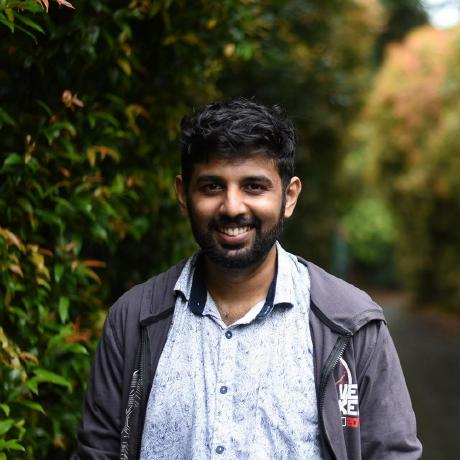
Anushka Idamekorala
Cofounder · Logical (YC F25)
About Logical
A proactive desktop copilot — Clippy, but actually good — that helps before you ask.
The insights
Reactive chatbots wait for prompts. The next copilots watch, learn, and act first. The write-up pulls out the big idea, the numbers, the counterargument and what it means for the autonomous future.
Transcript
Auto-generated from the episode audio and lightly cleaned up, so expect the odd misheard word. Each timestamp opens that moment on YouTube.
Read the full transcript 4,823 words
0:00 All right, let's do this. Let's do this, man. So, we have Anushka here who is a fellow Sri Lankan. Hi. And who is a good friend of my co-founder as well. So, welcome to the Tesla Ford, Anushka. Yeah. Thank you for inviting me. So, now we are two Sri Lankans like in San Francisco self-driving in a Tesla, right? So, and you're literally making the desktop to be self-driving, right? What does the engineer in you feel right now? So I see the synchrony between this because like what the Tesla is doing is rather than replacing the human it positioning the human in the consultant for the driving. So the driver can enjoy the drive as well as direct the Tesla. So what we are doing the same thing but in another space because like within the desktop space what we are trying to do is like augment human like giving more capabilities to human so that like rather than replacing the human we can improve the human.
1:09 That's the goal right so if you had to give maybe just a 30 seconds version of what logical is all about. Yeah, our goal is to be every person's personal assistant, but at the moment it is some app floating in your desktop and it understands you. So it sees what you are doing and like it when if you let it hear your meetings it understand your overall workload and using that knowledge it keeps helping you rather than like sitting back and like then rather than like very proactive assistance is that the case yeah it's come to you as a real assistant and help you as you need. Right. Right. So it sort of kind of reminds me of Clippy right back in the day in like you know Microsoft right so this used to be there always beside at least I was I mean the promise was like you know where it really does whatever that you need to be right but but I think that they literally like you know killed clippy like you know after a couple of years time right so what you're building is a very promised version of clippy right that practively
2:26 Does things for me right and understands like you know what I'm the context of what I'm working on right and proactively takes actions is that does that frame logica yeah exactly me so the clippy was in like about 25 years ago and mostly jenzi people don't know because what's clippy was it was like app which tried to help you it has a good motivation to like help the help the people make people's life good It was in the wrong era because like it doesn't had AI. So it couldn't understand. That's why Clippy failed basically. Yeah, basically that's the reason because like it doesn't it couldn't understand what the people was doing. So at last it became a nine product but we are doing in the current stage where like we can understand exactly what the people's goals are what how the struggles they are facing and when exactly they want AI to be for them.
3:29 Yeah, because I mean if you if you really think about it, Clippy like took off like wildfire, right? So everyone was really talking about it. People had fun with it, but there was no use of it, right? So you I think your framing is absolutely right. Right. They were very like attract they were really attracted to the concept but like it couldn't give much in that time actually. Yeah. Exactly. So you were doing your PhD at UVA right on context a time series forecasting if I'm not mistaken right and that's not just any program right and then you were already in this for two plus years right and almost 3 years almost 3 years right and you had research published as well right and from what you mentioned like you know Sam invited you to this thing called YC right and then you all actually got into YC right and right alongside with that then you decided to drop out of your PhD right? What happened? I mean this is a super interesting and inspiring story. actually like when Sam invited to me join like the logical and we were not selected to see at the moment when I decided to drop out because like so I always wanted to build something
4:48 That improves the life of human and I was observing what the AI was doing that's why I choose the PhD but like within me I understood like I need the steering for go forward within this domain and I knew like I could do more impact when I owned the company and like that's the reason like with I there was a fire inside me like that's and called and like when Sam called I understood that the that was the judgment call said so did Sam pitch you with the same idea of logical or was this a different version of logical What was it? it was slightly different but the same ideology because like along the way we tuned the ideas and like we understood like where we should improve and where we should like adjust. So however like a it was almost the same idea. Right. Right. Right. I see. And u so I mean you're pretty much from an academic background right? Right. and you've done you've worked at places like so I understand this whole thing of like
6:06 You know fire inside you to like you know have your own steering wheel and then drive things forward right so alongside with that right was there any specific thing that was like frustrating right with regards to the specific problem that you are really trying to solve here that made you want to like you know jump the gun. I think like there wasn't an day I was like regret within the while doing this company because like I always there were like hard time I expected that in from the beginning but the inspiration to create the impact always drive me through this journey. So I'm really grateful for the opportunity of like building this logical company. So I always satisfied with the my decision. I think that's one of my best decisions in life. Right. Right. Right. That's awesome. was there a specific like technical problem right that made you think right that this problem is real, right? Because I mean like say I mean in this day and age of AI, right? Why should we be really clicking buttons, right? On our own, right? And then I mean why should be like you know be moving things here and there
7:26 Right instead of like you know it driving it for us right so was there any specific thing that was really frustrating to you right that made you think that these are very interesting problem for me to like you know start building on so there is both technical and the social components when it come to this in the technical domain like the AI was there but it was not very much attached to the people's life as it should be within the Bay Area we see like many people are using the AI so much and like they are very like attracted to that but like when we go away like people doesn't understand how to incorporate that to a life so as in the technical perspective that's are you telling that they are not using AI right or they could use AI so much better or what's the context of so it's basically like they could use better that's the ideology we are going for like because there is a friction between the AI and the people to correctly use it then it's hard to them to like incorporate that the AI to their life meaningfully so there
8:44 Should be a very smooth design I think like rather than the engineering itself we the design itself give a higher value to the AI according to my belief. So we are paying a real good attention. Is that because people don't understand AI enough or is that because the tools that's available right now they are like you know too broad right and then people don't know where to start right where do you see the missing point in this I think there are two sides for that like there is some fear within the people regarding the AI but like mostly it's the problem is with the tools but they are like very evolved products but still they are not very much attached to the livelihood of the people. So I say yeah we should that's where we are trying to improve the product tool domain.
9:40 Right. Right. So I think you told me about the story how you got into YC right why don't like you know we hear the story once again. what exactly happened right you know because I mean lot of people like you know they are with brilliant ideas right and then trying to get into YC right that's kind of the dream accelerator to get into right. So what's that story about like you know what happened? So like I am grateful for the Sam for getting in the YC actually because like so I used to know Sam from like age six like when we were little kids and like I got to work with Sam closely when we are facing the advanced level examination which was the final examination sort of in the high school in the Sri Lanka.
10:29 So within that I used to think I am sort of a dedicated person but Sam redefined what actually the dedication is. He always motivated to push my boundaries. So after all the time when he called me to like hey Anushka I'm starting this company do you like to join it? I didn't even hesitated to drop my PhD because like I always tried to build something on but I understood how it's hard to do it with the wrong person. So even for you I think like you used to know the Yasith for a long while and that connection the right co-founder it is everything right and then I think like you know one of the main reasons that many startups fail I think the topmost reason is actually co-founder mismatch and then breakups right so I'm 100% with you on that it's like it's hard to find the perfect person but like we when there is a mutual understanding it helps a lot to the like the company. Yeah. So you're in Vic now, right? And what is that one thing that you know that's inside, right? That outsiders don't really know that help that helps you to like you know really build logical to the next stage
11:48 The fact that you are in YC now. Yeah. So as outsider for the confounders not get got into YC like mostly we even me and thought YC as a like place we are got a good amount of funding as well as a good place to get a spotlight but within the YC I really understood what it was about. It was about like the YC itself the program it itself taught us how to execute. So it instructed us to like keep pushing our boundaries and do our best within that time. So you yourself know your limits. So even the like you get to like meet lot of peers and like the motivated the motivation through the peer companies and your friends within the YC badge are like immense and like the advisers within the YC they are like the advisers are really to the point so I think it's really great experience and everyone should consider applying to YC right so Now coming back to the product right so now we you brought the you told the highlevel view of what logical is
13:06 Right how does the nitty-g gritties work right so then now say if I am someone right who wants to like you know start using logical right how would I get started right and then what would I get right and what sort of like you know efficiency improvements would Can I be actually expecting the moment that I start using logical? So, we are focusing logical to the people who are busy with lot of stuff like within the daytime lot of works. It could be from meetings, emails and documentation. Maybe it could be personal as well. So there are a lot of task to go with and like they are they're drained with the workload. So what the logical is built for to correctly understand what the person's work is and then context of the work context of the work and actively proactively nudge the person hey you have to do this. So example when you open up the desktop in the morning your plan say like hey you have like this work today and this is the meeting and this is you should remember this is the context related to the meeting and
14:23 There should be like multiple things like there should be such like there could should be like a flight upcoming flight from a week away and a storm is coming And logical is able to like nudge you that hey there is a flight though there is a storm so you have to be careful about that flight. So we are it's we are trying to inter the integrating in the logical to the life of the person. Right. Right. Right. Right. To be a part of day-to-day life. Right. So so how does this like fundamentally differ from say claude right or I mean OpenAI has this thing called pulse for an example right that kind of understands the pulse of what you're working on right? So or Claude has like you know the schedule task and I mean lot of other things right. So how does this fundamentally differ from either like you know one of these frontier like you know tools right models or how does it fundamentally differ from all these things that's available out there?
15:33 Yeah there's like lot of products when it come to like u this personal assistant do it. So especially like the open claw is like having like the highlight is the main thing is open claw right. So it's it went bananas right now kind of bananas are going down a bit right. So again like you know I mean it's a very useful tool of like you know this time right so yeah because like actually like I consider it as a frontier of this like assistantship domain. So the people used to ask like doesn't that like take away your market available market from open but I consider it as like it opened up the market for because like before that we were having hard time describing what logical actually did. So like now we people understand what the AI can proactively do how it could improve but there is a problem of friction the adaptability and the you have sometimes you have to fetch all like put all the data about you describe what you are doing all things about you to the AI but AI should be able to understand what you're actually doing so your work your rhythm your like bias what is What is
16:55 The inside person like really prefer real that's about like real personalization and it could like it should be able to adapt to you for you and that's where we are focusing logica to be and rather than a tech focused product we are like move it to be a very human friendly product we are like because open claw I mean you not everyone can configure it and then get it running. There needs to be some kind of a technical like you know understanding for you to get that configured right. So what you're saying is like the front that where logical wins so it's more like a plug and play methodology. Yeah that's true. That's kind of the way that right. Yeah got it. So I mean one of the core thesis that I read is that the that what you have written right so which is prompt first AI is fundamentally fraud flawed right what do you mean by this because like the thing is when you're using some sort of like prompt first maybe explain like you know what is prompt first AI yeah that will help so suppose like you are using chat GP or Gemini or something and when you try to get help out of
18:12 That. You have to like give all the data from say what you are doing all the data related to that and not only that you have to like when you need the help you have to specifically go to AI and describe all the things sometimes you don't know that like AI could give better help if you ask AI for that help actually so rather than that all the troubles so what we are trying we are implementing printing is the app itself know what you actually do through the meetings all the connectors as well as what it suh it sees through your desktop and your workload. So when it understand it can give very meaningful suggestions rather than like random things which are not very helpful and also like when it fractively help you it create the best version of you because like it always improve you rather than like you are thinking about improving yourself. Yeah. Right. So I mean one of the important things when we are when you are building like you know towards a personal like proactive very proactive personal assistant is the aspect of privacy right so how do
19:33 You guarantee privacy right because now essentially speaking right for me to let logical to be actually logical right and then actually helpful to me right it also means that I need to love to make sure that it's looking at like you know everything that I'm doing right now right so how do you guarantee privacy because that's one of the very important things in this space right yeah that's like one of the main question we are getting so one thing is we actually don't store your data for ourself all the data is stored within the desktop itself so you have all the control of your data so we don't store at all also in top of that we are using so is running locally Yeah, like we use a like external service for like get inference but like in our we don't store the data for ourselves right so and on top of that we are using the local models the AI within your desktop itself such as like it's sort of a present assistant within your desktop so that like we can scrap like remove all the personal data suppose like there is some SSN in one of your documentation you don't actually it's to be uploaded
20:52 So we are removing that sort of like private data so to sort of like the all the thing the important data is within your laptop itself but okay right so I mean the fact that now I mean the area that open claw wins right is that it allows you to run inference like you know on your machine itself if you need to do so right without having to send any of the details right to an outside server right if I am someone like you know who's like super privacy first right that's that could be like you know one of the main selling points for me right so how do you like say back that would you be like you know giving the option in the future right know for me to run the model locally right but how do you think around that right so especially like you know when trying to compete with like you know some someone big like open claw.
21:52 So we are gradually trying to move the all the task towards the local machine because like currently there is a huge work done in the like the semiconductor space so that like in future there is like we basically we could run itself in the local. However like currently the models are local models are like little bit lagging behind. Therefore like sometimes we have to give bit when to give better results we have to use other models but like I think along the time being we can run itself within the rest picture right that's kind of the vision then right so towards headed towards that right so correct so now your the fact that you're building personal AI assistance right That also means that right if there is a like you know some CEO in Iowa right and who is having a personal assistant right so an executive assistant for that matter right then that would also mean that you know that he or she would not really be needing an executive assistant right because this basically lives in your machine right understands the context of what you are really doing manages the calendar for you Right. So,
23:15 Like you're in some way replacing this executive assistance role, right? What would you say to that? I won't say it as a replacing because like what we vision is to do is like improving the person and removing all the pains out of him like maybe if you are CEO you have to remember all the task or the like specific context related to different stakeholders maybe and maybe like the upcoming deadlines and what you have to do rather than make remembering all the things related to that and like being very like stressed about the work you have we the logical what itself do is we accord we understand what you are doing so like you don't have to specifically remember all things when you don't have like worry about the deadlines you only we are u pinpointing the best thing there where the people are needed where it is like the human instinct because like People do best when you are taking decisions. So we are like letting the decision making to the
24:31 Human when do others task. So like the work is done best. So basically this is augmentation versus making a role completely obsolete. Right. That's true. So there is a fine line. Right. But in some cases now the this fine line has already been crossed in some sense as well. Right. So but where do you draw this fine line with regards of augmenting the capabilities right versus complete replacement or making the role completely obsolete altogether. So actually like there is a huge problem related to this space because like there's huge context revolving around it. So within the human history there has been like different leaps within each leaps there is some sort of unbal imbalance within the society because like people couldn't understand what should be doing and however in every step there was some there was a repositioning of the human correction it's can be called correction and we can say redefining so suppose Like after this steam engine come there wasn't any need for horse
25:53 Drivers and or like horse carriages but like all the horse drivers became cap drivers like that sort of thing. However like in that this moment the first time of human history like the last thing which was having sort of a like cognition was the last thing that was remaining. It seems to be can be done through the AI. So people having a question like we are people are getting lay off aren't there any worth of human at the moment but the this is not how actually it should be according to our point of view because like we can in the point of view of like companies they may be right because they can argue towards like they have to increase the their profit itself but the problem is like we have to think about the companies itself. But when it come to a larger po point of view like considering all the society and the economy the people who are contributing the economy the cycle is getting broken through this. So the laying off isn't the solution for sustainable economy as well as a society. So what should be done is
27:11 Like keeping that human and isolating what they can do at their best. That's basically making the decision and like using their instinct to drive the company to a better place. So that's where like we are focusing and that's we are like saying like rather than laying off we can we should improve their employees. Right. Right. So this is also to do with the human and AI relationship right the industry is like you know evolving super fast as well right if there's one thing that you could change in the AI industry right now right which is approaching towards this like you know symbiotic human AI relationship what would that one thing be so that's basically we are building so interfacing of the people and the so currently a better interface. Yeah, better interface where like AI is incorporated to the life of human rather than human being helping AI. So that's where we are focusing towards.
28:18 So basically AI should be revolved around the life of human to take be a better person as well as like have better decisions all the way. Right. Right. So circling back to the co-founder life right so you and Sam you've known each other for over 20 years time right so most co-founder relationships they break right within the first 18 months right that's true so what is it about that about your friendship right that you really think that this is going to work yeah the main thing is the mutual understanding between two co-founders because like sometimes you have to take different decisions you have like co-ounder every person has different perspective and in that moments you have to debate each other to get a better outcome but you have to debate in the manner just to get the better decision not to have personal grudges so that's why I think the most co-ounders like struggling because like you should be able to have a healthy debate like even after that you should be able to like even after heat and conversation you should be able to chill it out and have fun because like it's always like
29:39 Always it's about like going so building towards a vision so both of your co-founders should contribute to that's ideally right so what's the moment like in this year last year right after you started that you genuinely thought about quitting quitting is a That's never an option because like we want to make a real impact to the society and we see there is like at the beginning we didn't see exactly that but now it's crystal clear sort of like there is some problem in the human society with the AI because like it's people are not incorporating AI correctly so we know we should do it so we are working towards so if there is a 22 year old Sri Lankan or anywhere else in the world right who wants to actually come and build in SF right now what would you say to them so there were the YC motor itself has had four words make something people want at the beginning I thought there were just several words but within the badge I understood there's a real
30:59 Depth to that because even though it's super simple building something people want is really tough right so because it's a one of the harder thing was to understand what the people want so when you want to build something you should be able you should think about the what impact you want to make and create some start with some sort of a simple prototype and maybe it's not working correctly you can go to customers you intended to and keep improving that and like keep on going iteratively and you can fail again but keep pushing yourself and it will take you to the places you won't even imagine. Yeah, that's what that's awesome. So Anushka build something people want.
31:46 All the best for you. Thank you.